What are the real pros and cons of living in Aruba?
Aruba is easy to love on a week's holiday, and the question changes once the stay runs to months. Living there brings a dry, steady climate, a currency fixed to the dollar and a capital small enough to cross in minutes; it also brings imported food prices, an island of 69 square miles and immigration rules that treat even an owner as a visitor. This page sets each advantage against its cost, using sourced figures only, and says where YOO Aruba, a 26-residence building in Ponton, Oranjestad, changes the balance and where it does not.
What goes on each side of the ledger?
Most of what makes Aruba pleasant to live in and most of what makes it hard come from the same three facts: it is small, it is dry, and nearly everything is shipped in. A low-rainfall island at roughly 12.5 degrees north gives long runs of sun and very few washed-out days, but the same dryness means there is no natural freshwater and the tap runs on desalinated seawater. A small island puts the capital, the airport and the beach a short drive apart, but it also means a short list of shops, one general hospital and a limited range of anything that is not imported.
The table below is the short version. The sections after it take each line in turn, with the figure behind it and, where the fact base has nothing to offer, a plain statement that this page cannot answer the point.
| Topic | On the plus side | On the minus side |
|---|---|---|
| Weather | About 18 inches of rain a year; monthly means of about 80°F to 85°F | Little seasonal change, and storms passing to the north can still bring swell |
| Water and power | Tap water is safe to drink and tested daily | It is desalinated seawater, and air-conditioning runs most of the year |
| Prices | The florin is fixed to the dollar, which is widely accepted | Food and drink cost about 149% of the US level |
| Length of stay | An owner can request up to 180 consecutive days | Owning a home does not grant a residence permit |
| Health care | A general hospital in Oranjestad with a 24-hour emergency physician | AZV insurance covers registered residents, and Medicare usually does not pay abroad |
Is the weather a pro or a con once you live with it?
For most people who move from North America, a pro. The long-term record at Queen Beatrix Airport, kept by the Caribbean Institute for Meteorology and Hydrology for 1971 to 2014, averages about 18 inches of rain a year. The wettest month, November, averages about 3.5 inches and the driest, March, about 0.4 inch, and the island's tourism authority puts the likeliest rain between October and January. Temperature hardly moves: the mean is about 82°F across the year, with the monthly mean running from about 80°F in January to about 85°F in September. Trade winds from the east take the edge off the midday heat.
The cons are the other face of the same numbers. A climate this even has no real cool season, so air-conditioning is part of ordinary life, and the dry scrub of the interior is a long way from a green garden. On storms, the honest wording is the tourism authority's own: Aruba lies on the southern fringe of the hurricane belt, with little possibility of a direct hit. That is not a promise that weather never arrives; systems passing to the north have brought swell and rain, and an owner should insure accordingly.
What does a small, dry island change day to day?
Distance, first, and that is mostly a pro. Aruba covers about 69 square miles and counted 108,166 people at its 2020 census, so ordinary errands are short. From YOO Aruba's plot in Ponton, downtown Oranjestad is about 1.3 miles and some 5 minutes away, Eagle Beach about 6 minutes and the airport about 2.9 miles, or 10 minutes. The flip side of that scale is choice: one general hospital, a limited set of specialist shops, and a dependence on what arrives by ship or plane.
Water is the clearest example of the trade. The island has no natural freshwater, so the utility, WEB Aruba, desalinates seawater, re-mineralises it and tests it chemically every day; it states that the tap water is safe to drink and needs no further treatment. Language is easier than many expect. Dutch and Papiamento have been the official languages since a 2003 law, and English and Spanish are widely spoken, so daily life in English is practical, though official paperwork may arrive in Dutch. Finally, the clock: Aruba keeps Atlantic Standard Time all year with no daylight saving, which matches US Eastern time in summer and runs one hour ahead of it in winter.
Is Aruba expensive to live in?
On the broad measure, a little cheaper than the US; on the items a part-year owner buys most often, dearer. The World Bank's 2021 price comparison put Aruban household spending at about 84% of the US level overall, but food and non-alcoholic drinks at about 149%, while restaurants and hotels came in at about 73%. Fuel is a con as well: premium gasoline on the island was set at $6.17 a gallon in September 2026, against a US average of $5.40 for premium in early October.
Electricity is closer to home than its reputation. The residential energy charge works out to about 19.2 US cents per kWh for the first 500 kWh a month, against a US average of 18.31 cents in July 2026, though a home cooled most of the year will use more of it. Money itself is simple: the florin has been fixed at Afl. 1.79 to the US dollar since 1986, and dollars are widely accepted, so a household earning in dollars faces no exchange-rate swings. What the comparison does not include is anything a buyer would pay for the home, which belongs in a separate budget.
How long can an owner stay, and what happens about health care?
This is where the ledger needs most care. Aruba admits a tourist for a standard 30 days; within that stay a visitor can ask for a total of up to 90 days, and extensions are capped at 180 days per calendar year. According to the tourism authority's immigration page, visa-exempt nationals who own property on the island, a condominium included, can request up to 180 consecutive days on proof of ownership. Two cautions apply. The decision belongs to DIMAS, the immigration department, and an older notice of its rules differs in detail, so confirm the current position with DIMAS before planning a season. And a longer visitor's stay is still a visitor's stay: owning a residence is not a residence permit, and this page cannot source the route or threshold for living on the island all year.
Health care follows the same line. The Horacio Oduber Hospital, Aruba's general hospital, stands on the Eagle Beach side of Oranjestad, and its emergency department has an attending physician on site 24 hours a day; a medical centre in San Nicolas also offers round-the-clock emergency help. The national AZV insurance covers people registered as residents, though, and Medicare usually does not pay for care outside the US, so a part-year owner should arrange private cover that works on the island before the first long stay.
Where does a YOO Aruba residence change the balance?
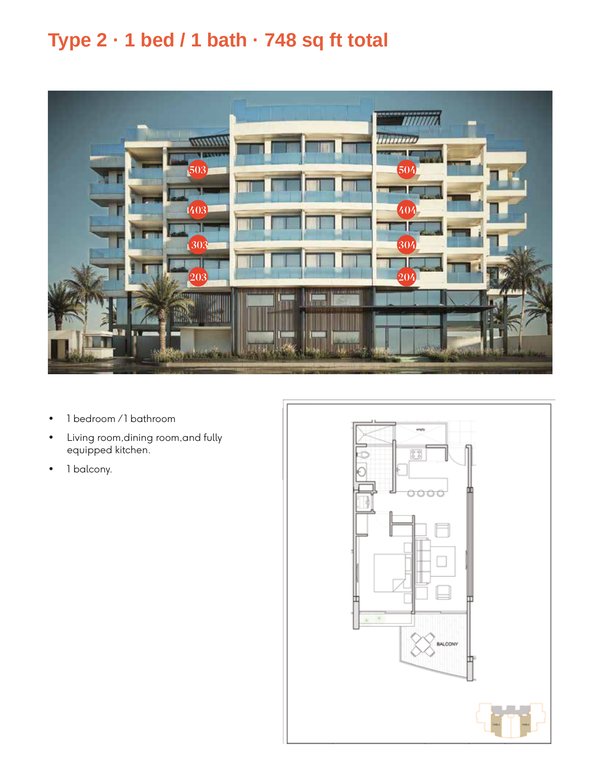
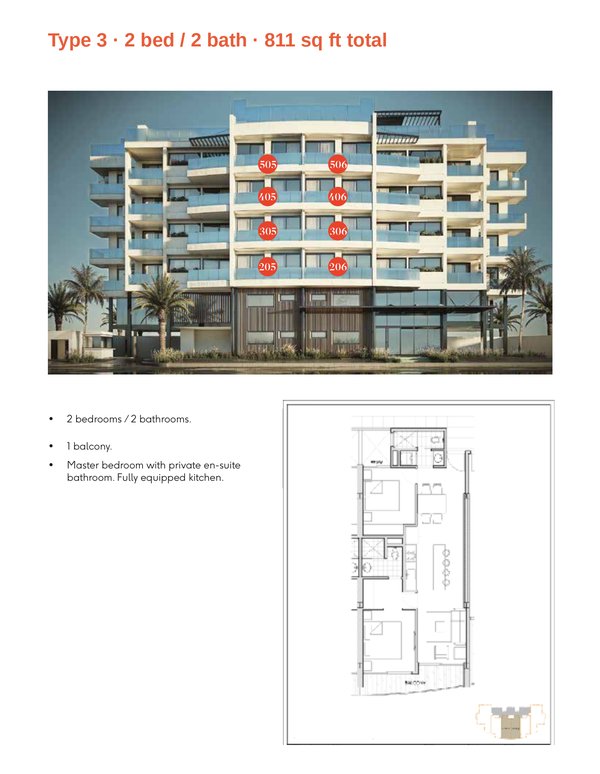
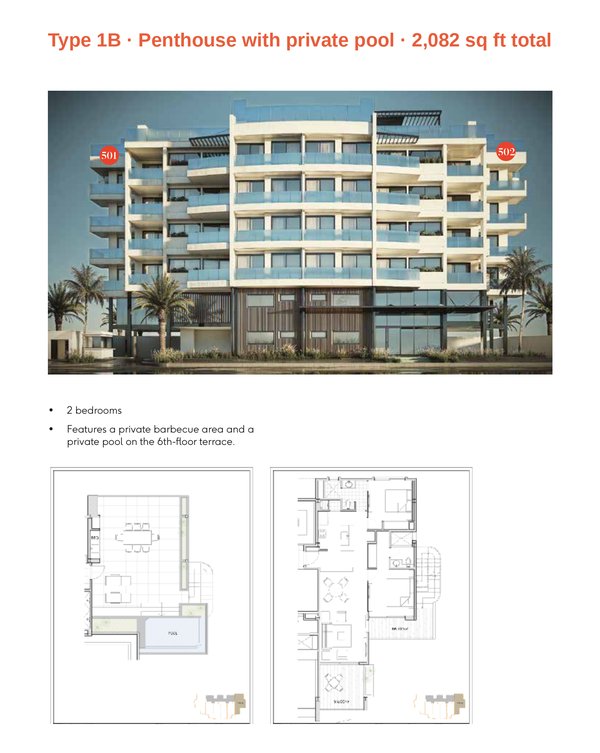
On a few lines only, and it is worth being exact about which. Against the climate, every residence is handed over finished with air-conditioning installed and a fully equipped kitchen, which also helps against imported restaurant and grocery prices when cooking at home suits better. Against the small-island shortage of services, the building offers a 24-hour concierge and its own rooftop pool, gym, cold plunge pool, sauna, yoga room, massage room and lobby bar. The 26 residences range from 748 sq ft one-bedrooms to 2,082 sq ft penthouses.
Against the 180-day visitor ceiling, an owner who is away for half the year can enrol the home in the optional rental program run by Mastermind Hospitality Group, or leave it closed; joining is a choice, not a condition. What the building cannot change is the rest of the ledger: immigration status, health cover and the 0.6% land tax a non-resident owner pays each year on the assessed value all stay with the owner. Completion is committed for the fourth quarter of 2027, so a buyer weighing these pros and cons today is planning a first season, not next month's move.
Common questions
- What is the biggest downside of living in Aruba?
- For most part-year owners it is the price of food. The World Bank's 2021 comparison put food and non-alcoholic drinks at about 149% of the US level, because almost everything is imported. A close second is that an owner's stay is a visitor's stay, capped at 180 days.
- Does Aruba get hurricanes?
- Rarely directly. The tourism authority describes the island as lying on the southern fringe of the hurricane belt, with little possibility of a direct hit. Storms passing farther north can still bring swell and rain, so insurance and storm preparation remain sensible.
- Can I live in Aruba if I buy a condo?
- Owning lets a visa-exempt national request a stay of up to 180 consecutive days on proof of ownership, according to the tourism authority, with DIMAS deciding each request. Buying a residence is not a residence permit, and the route to year-round residence is a question for DIMAS directly.
- Is the tap water safe to drink in Aruba?
- Yes. WEB Aruba, the water utility, produces drinking water from desalinated seawater, re-mineralises it and tests it chemically every day, and states that it is safe to drink without further treatment.
- What language do people speak in Aruba?
- Dutch and Papiamento are the official languages, set by a 2003 law, and English and Spanish are widely spoken. Day-to-day life in English is practical, although some official documents are issued in Dutch.
Want the details for your own situation?
Ask about availability, layouts or the buying process, and someone from the sales team will get back to you.
Get in touch