Real estate in Aruba: whose deed is it, and which language is it written in?
Buying real estate in Aruba ends at a table with a civil-law notary, and the document signed there is the purchase — not the brochure, not the reservation, not the wire. Because Aruba's notarial tradition is Dutch, that document follows form rules a buyer from the Americas will not have met before, and the first of them is about language: which one the deed may be written in, and what the law requires when you do not read it.
Who actually transfers property in Aruba?
Every transfer of Aruban real estate runs through a civil-law notary, and the ordinance governing the office is unusually plain about what that means. Notaries are public officials, and they alone may execute authentic deeds for the acts, agreements and dispositions that the law — or the parties themselves — require to be recorded in authentic form. The same provision hands them the rest of the job: to put the date of the instrument beyond argument, to keep the original in custody, and to issue the engrossments, certified copies and extracts that circulate afterwards.
That last point surprises most foreign buyers. You do not walk out of the office holding the deed to your home. The original stays in the notary's protocol; what you hold is a certified copy of it, and the register is what proves the right. Ownership in Aruba takes effect on registration in the public register, the Kadaster, and foreign and local buyers stand on the same footing when they get there.
How many notaries the island may have is a matter of ordinance rather than of market: the office is capped at not more than seven, appointed for life by national decree and honourably discharged at sixty-five, with that number itself alterable by decree. Read it as the ceiling the ordinance sets, not as a headcount of who is practising this year. Which of them draws your deed is the buyer's choice by the island's custom rather than by statute.
Which language may an Aruban deed be executed in?
Here is the provision worth knowing before you instruct anyone. Aruba's notarial ordinance says a deed may be executed in the language the parties choose, on one condition: that the notary understands that language. It is not a rule that deeds must be in Dutch. Dutch is what you will usually be handed, and there is a second rule sitting behind that habit — a deed may in no case be executed in the vernacular, which on this island means Papiamento, and where the appearing parties understand only the vernacular the deed must be executed in Dutch instead.
The third limb is the one a Spanish-speaking buyer should read twice. Where the appearing parties understand no language other than one the notary does not know, a sworn translator gives their declaration to the notary in Dutch and then interprets the deed back to them in a way they can follow — and the deed must itself record that this conveying and interpreting took place. The safeguard is written into the instrument rather than left to anyone's goodwill.
So the practical question is not whether your deed will be in Spanish. It is which languages the notary you are about to instruct will execute a deed in, and it belongs at the start of that conversation rather than on the day. Sales material, floor plans and a price list may reach you in any language a seller likes; the deed answers to the ordinance, and only the notary can tell you where that leaves you.

What happens at the signing table
An Aruban notarial deed is read aloud, and the signatures go on immediately after that reading. The ordinance lets the parties shorten it: if they declare that they have taken note of the contents and do not require the deed to be read in full, the reading may be limited to the notary's own names and seat, the date and place of execution, the particulars of the appearing persons and the parties, and the closing. Either way, the closing of the deed records which of the two happened, and the signing with it.
These are not clerical niceties. Breach the form rules and the instrument loses its authenticity — it no longer satisfies what the law demands of a notarial deed at all. The same part of the ordinance explains why an Aruban deed reads the way it does: quantities and dates are written out in letters, and figures may only repeat or precede them.
Identity is handled in the same spirit. The appearing persons must be known to the notary, or be made known to him by two witnesses, and the deed says expressly that this was done. Where witnesses are used they must be of full age, resident in Aruba, able to sign their name and able to understand the language the deed is executed in — the language rule reaching all the way to the people standing at the edge of the room.
Which gives the warning that follows from the first paragraph: waiving the full reading is a real choice with a real consequence, and it is a worse choice in a language you do not read fluently. Ask for the draft deed far enough in advance to have it read by someone acting for you, and decide then.
If you cannot be in Aruba on the day
A buyer who cannot be in Oranjestad when the deed is executed can be represented, and the instrument keeps a record of that too. The ordinance requires every deed to state the name, particulars and address of any natural or legal person appearing on behalf of a party, together with the ground of that person's authority — so a purchase completed by proxy is visible on the face of the deed rather than hidden behind it, and an owner reading their certified copy years later can see who signed and on what basis.
What this page will not tell you is the form that authority has to take when it is granted outside Aruba: whether the power of attorney must itself be notarial, what legalisation or certification an Aruban notary will require before acting on a document signed abroad, and how long that adds. No primary source for those answers was read for this page, and a guess is worth nothing at a signing table. Put the question to the notary you instruct, in writing, at the beginning of the purchase rather than the end of it.
What the language question does not change
The language a deed is drawn in changes none of the arithmetic around it. Aruba's transfer tax, the overdrachtsbelasting, is two-tier — 3% on the part of the value up to and including Afl. 250,000, about US$139,665, and 6% on the part above it — charged on the higher of the purchase price or the property's registered value, and withheld by the notary at transfer. After that the annual land tax, the grondbelasting, runs at 0.6% of assessed value for every taxpayer who is not a resident natural person, which is where a non-resident foreign owner sits until residency changes it.
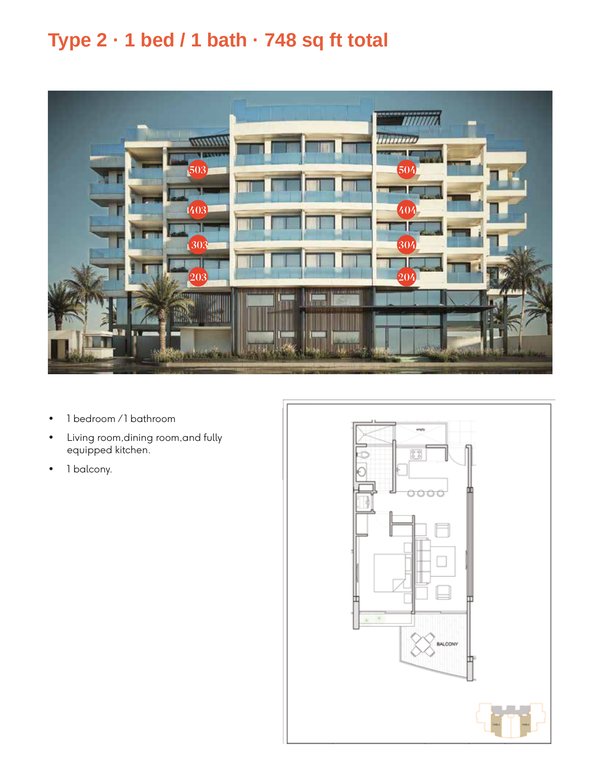
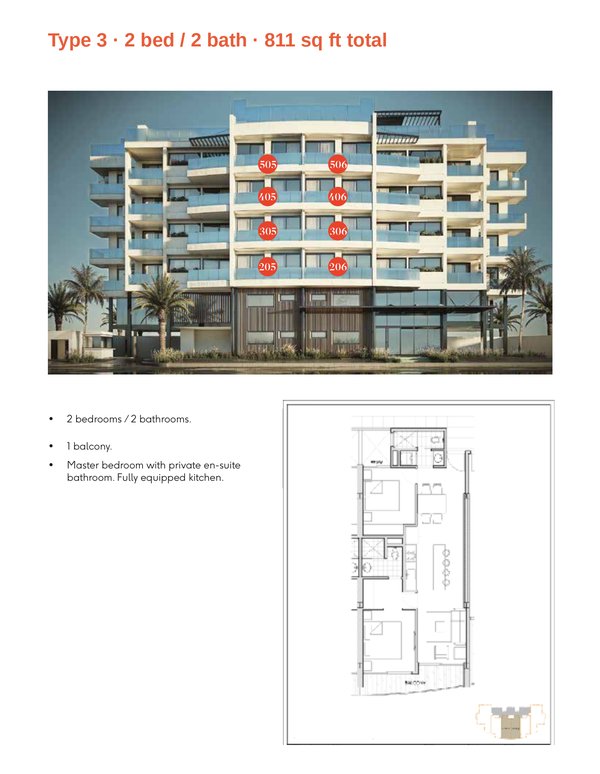
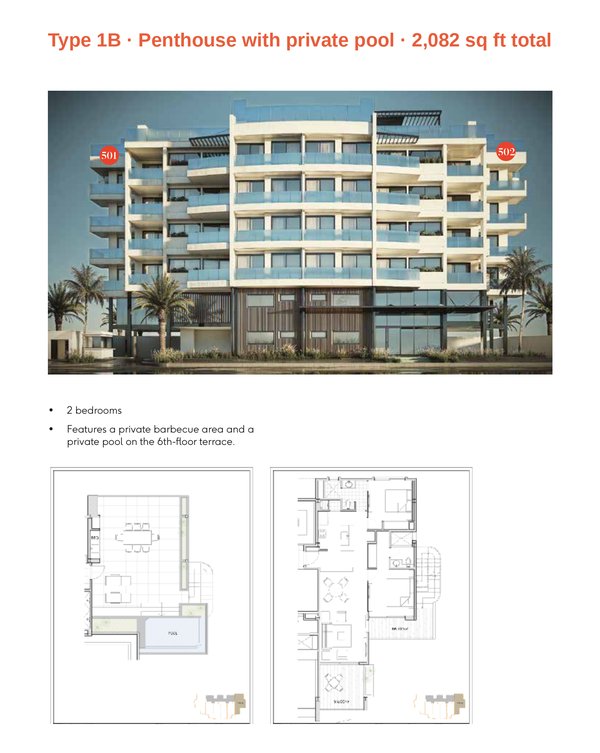
Nor does it change the object. What a condominium purchase creates is an apartment right, brought into existence by a notarial deed of division that is registered; the deed is the thing, and the language question is really a question about whether you will be able to read the thing. At YOO Aruba that object is one of 26 residences in a boutique building on plots in Ponton, from 748 sq ft to 2,082 sq ft, priced in US dollars from $443,000 while every tax above is assessed in Aruban florins — pegged at Afl. 1.79 to the dollar since 1986 — with delivery in Q4 2027.
Common questions
- Can my Aruban deed be written in Spanish?
- It can be executed in the language the parties choose so long as the notary understands that language, which is what the island's notarial ordinance provides. So the answer depends on the notary rather than on your nationality, and the ordinance never permits a deed in Papiamento. Ask which languages a notary will execute a deed in before you instruct one.
- Do I need an interpreter at the notary?
- If the appearing parties understand no language other than one the notary does not know, a sworn translator conveys their declaration to the notary in Dutch and then interprets the deed back to them in a way they can follow. The deed must record that this happened, so the protection is on the face of the instrument rather than a favour.
- Does the deed have to be read out before I sign it?
- Yes, and the signatures follow immediately after the reading — unless the parties declare that they have taken note of the contents and do not require a full reading, in which case a limited reading covers the notary's particulars and seat, the date and place, the details of the parties and the closing. The closing of the deed states which of the two took place.
- Can someone sign for me if I am not on the island?
- A representative may appear on a party's behalf, and the deed must name that person, give their particulars and state the ground of their authority. What this page does not state is the form that authority must take when it is granted abroad, or what an Aruban notary will require before acting on it; that is a question for the notary, asked early.
Want the details for your own situation?
Ask about availability, layouts or the buying process, and someone from the sales team will get back to you.
Get in touch