Buying a house in Aruba: the seller's duties, and the checks that stay yours
A house in Aruba is bought as one whole object — walls, roof, plot and every line on its title. Nobody shares the checking with you: there is no owners' association to report what the seller still owes, and a resale rarely comes with a builder's warranty. Aruba's civil code fills part of that gap by making the seller answer for certain things, and it is just as plain about what it leaves to the buyer. This page sets the two side by side. We are building 26 apartment residences in Ponton, Oranjestad, not houses, so the last section says where an apartment changes the picture and where it does not.
A house is the purchase where nobody checks on your behalf
Buying an apartment puts other parties between you and part of the risk. An owners' association looks after the roof, the facade and the shared installations and keeps a reserve for the large repairs; a new building arrives with its builder's warranties. A house has none of that. The plot, the structure, the boundary walls and whatever was added over the years become yours at once, and in full.
What Aruba's civil code offers instead is a clear division of duties at the moment of sale. Some things the seller must deliver and, in part, cannot contract out of. Others fall on the buyer, and the code says so just as plainly. Knowing which is which decides where you spend your time before signing. It is also the part of buying a house that buyers from common-law countries tend to find least familiar, because the rules sit in a code rather than in the contract alone.
What the house must be able to do — and the faults you could have seen
The code starts from a simple rule: what is handed over must match what was agreed. A buyer may expect the house to have the qualities needed for normal use whose presence there was no reason to doubt, together with any qualities needed for a particular use the agreement provides for. If you are buying to let to visitors, or to add a floor later, say so in the agreement; an intention you kept to yourself is not a use the agreement foresaw.
The same rule carries the limit that matters most in practice. You cannot later complain about a mismatch you knew of, or could reasonably have known of, when the contract was made. A crack in plain sight, a patch of damp on a wall, a roof you never asked to see: each becomes your problem at the signature. That is the legal case for an inspection by someone working for you, carried out before you sign rather than in the weeks between signing and transfer.
Permits belong in the same inspection. The Government of Aruba requires a building permit before building work on a home begins, under the island's building and housing ordinance, and it distinguishes between building on to a house, building beside it and altering it. Houses gain rooms, garages and enclosed terraces over the decades. Ask the seller, in writing, for the permit behind each addition you can see: the notary's searches examine the title, not the masonry, so nobody else will ask.
Free of burdens: the seller's duty, and the notary's searches
The seller must transfer the house free of every special burden and restriction, except those you have expressly accepted. The code then goes a step further, and no clause in the contract can switch it off: the seller also answers for burdens arising from facts that could have been entered in the public registers but had not been when you signed. A mortgage, a creditor's attachment, a right of way across the garden — if you did not accept it in terms, handing it to you is the seller's failure rather than your misfortune.
Much of this is caught before the deed. One Aruban notarial office describes its routine as a cadastral check (has the parcel changed, and is it registered in the right name), a search for mortgages and attachments, which it then has cancelled so the house passes clear of them, a reading of the previous deed for special provisions that must be carried into yours, and enquiries into matters such as rights of way. It also looks at the seller: a divorce, a bankruptcy or a death in the family can mean that someone else has to sign.
The register cannot promise completeness. Under the code an easement — a duty on one plot to tolerate something, or to refrain from something, for the benefit of a neighbouring plot — can arise by prescription as well as by deed. So walk the boundaries yourself. A path worn across the land, a neighbour's pipe or a driveway used by two houses is a question to put to the seller and the notary before you sign.
The size in the listing is only an indication
Aruba's civil code contains a rule that surprises buyers used to comparing homes by the square foot: in a purchase of real estate, a stated area is presumed to be meant only as an indication, and the property does not have to match it. A listing that describes a plot or a house by its size is, unless something more is agreed, describing it roughly.
The presumption can be displaced, and that is the practical point. If the size is part of why you are paying the price — a plot large enough for a pool, a house large enough to divide — have it written into the agreement as a term, measured by someone you instruct. If a document states the area in another unit, convert it before comparing, and compare like with like: a figure that includes covered terraces and one that does not are two different measurements of the same house.
We hold ourselves to that last point. Every size on this site is the total area of a residence including its balconies, exactly as the developer's price list quotes it, and we say so wherever a size appears.
The keys, the deed, and the moment the risk becomes yours
Ownership of a house passes only when the notarial deed is registered. Risk can pass sooner. Under the code the property is at the buyer's risk from delivery — the moment it is put into your possession — even while ownership has not yet been transferred. Buyer and seller may agree that the keys change hands before the deed, and the notary records that in a special clause; but a storm, a fire or a burst pipe in that interval is then your loss rather than the seller's. Arrange insurance from the day you take the keys, not the day the deed is registered.
The searches take time. The notarial office mentioned above puts the wait for the register extract, the tax office's registered value and the list of outstanding charges at around six to seven weeks on average before the transfer deed can be drawn — one office's estimate, not a legal period. That list protects the buyer: according to the same office, the notary is legally obliged to withhold the seller's unpaid land tax and long-lease ground rent from the sale proceeds, so the arrears are settled out of the seller's money rather than left attached to the house.
The code also sets a default for the paperwork: unless the parties agree otherwise, the costs of the purchase deed and of the transfer fall on the buyer. So does the transfer tax, which the notary withholds at the deed.
After you move in: report a defect promptly, then the clock runs
If something turns out not to match the agreement after the transfer, the code gives you remedies, but only if you act on them. Where what was delivered falls short, a buyer may require the missing part to be supplied or the defect repaired, provided the seller can reasonably do it; where the house carries a burden it should not, the buyer may require it to be lifted, on the same condition.
The condition that decides most cases is timing. You lose the right to rely on a mismatch if you do not tell the seller within a reasonable time of finding it — or of the moment you reasonably should have found it. The code sets no number of days for a house, which is a reason to write promptly, not a reason to wait. Where the seller described a quality the house turns out to lack, or knew of a problem and said nothing, that reasonable time runs from when you actually discovered it.
Once notice is given, a second clock starts: claims resting on the defect lapse two years after that notice, and the period does not run while the seller's deliberate conduct stops you from acting. Give notice in writing, keep a dated copy and photograph what you found. None of this replaces an Aruban lawyer's advice on a real dispute; it describes what to do in the first week so that the advice still has something to work with.
Where YOO Aruba sits: an apartment, where some of this is shared
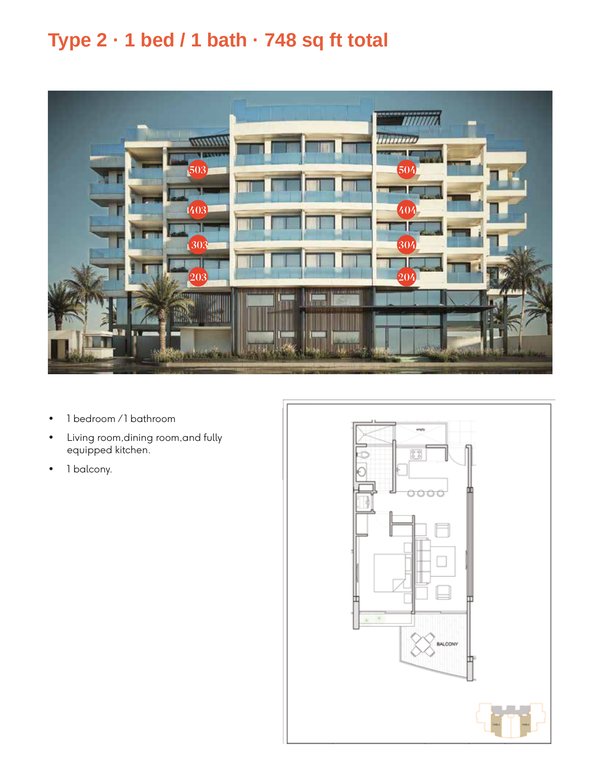
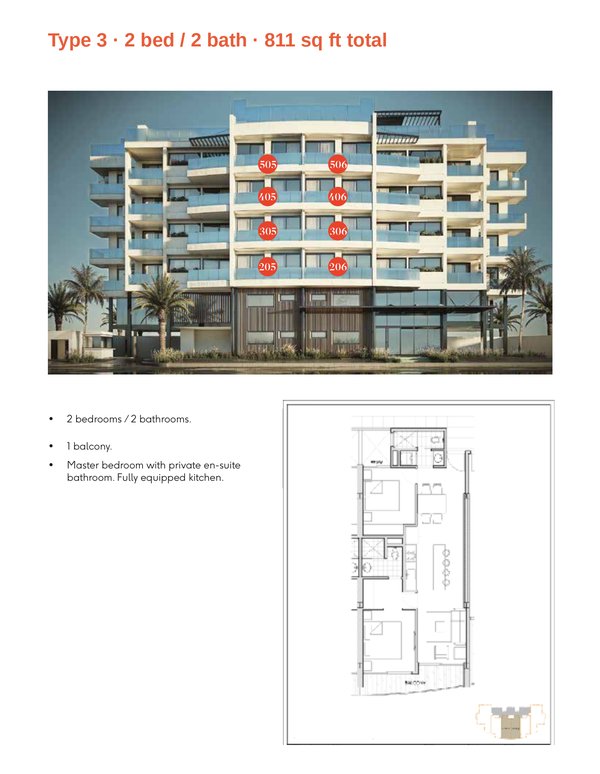
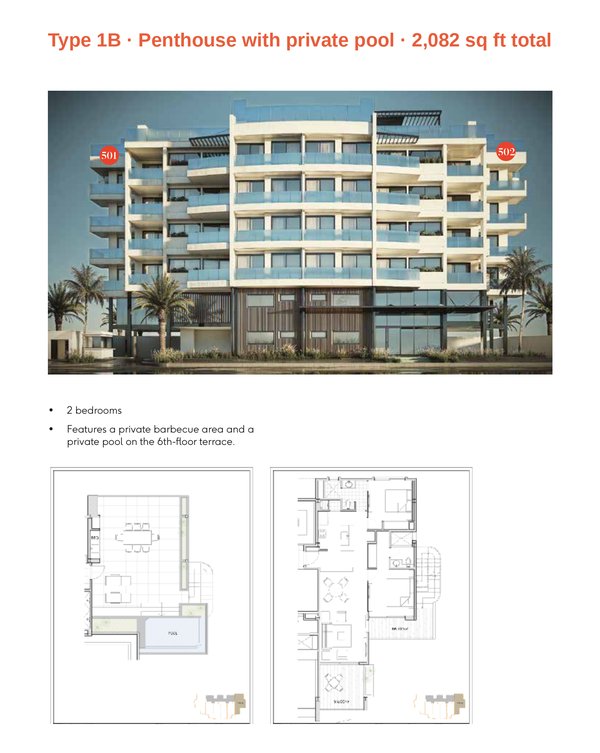
We do not sell houses. YOO Aruba is a building of 26 residences in Ponton, Oranjestad, from 748 sq ft to 2,082 sq ft of total area including balconies, priced in US dollars from $443,000. Buying one is buying an apartment right, and that moves part of this page onto other shoulders: the roof, the facade and the shared installations are the owners' association's to maintain, and the new building is covered by the developer's warranties — one year on labour and materials and five years on structural elements.
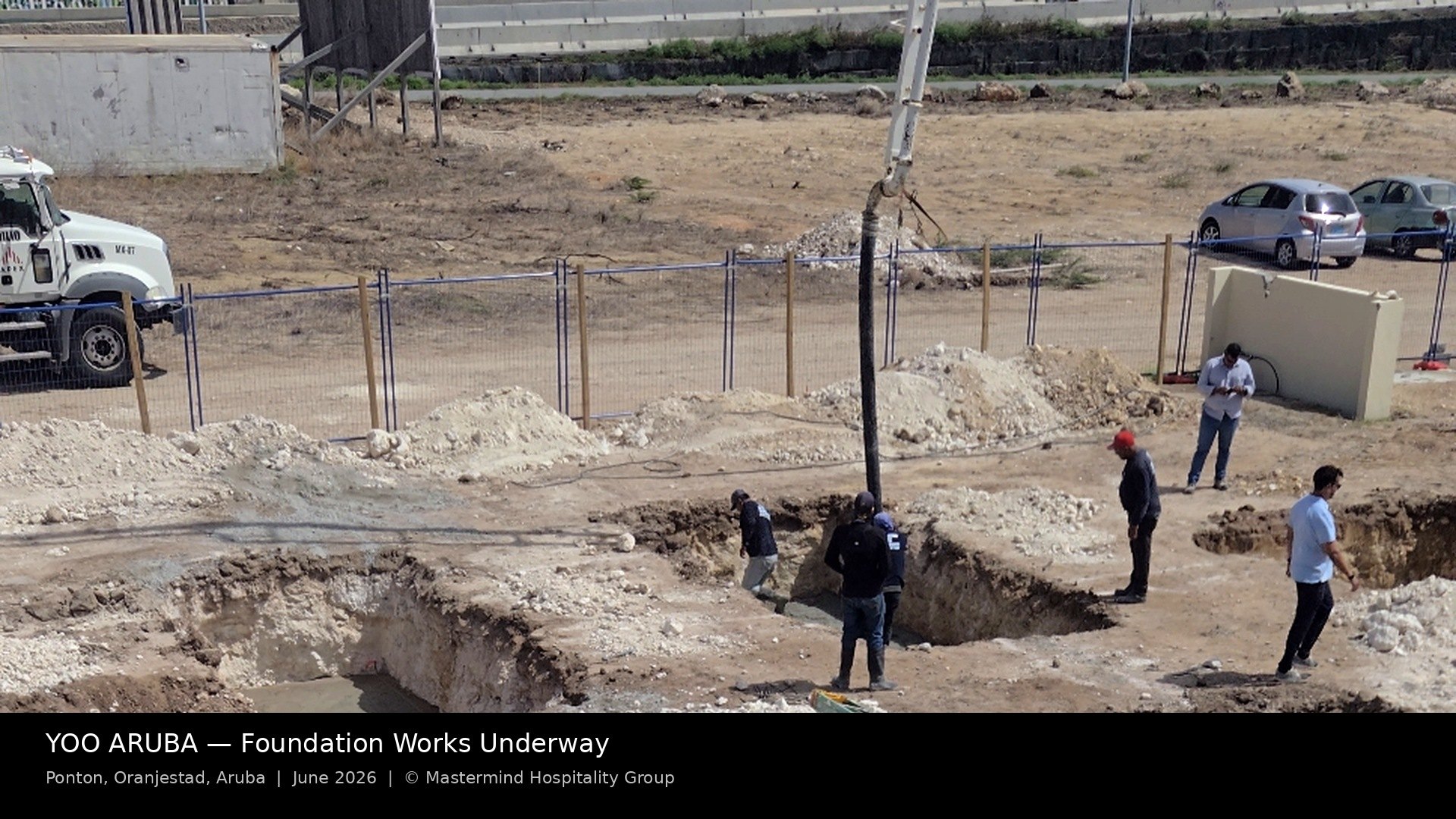
Other parts do not move. Title, burdens and the seller's capacity to sell are still searched by the notary you choose; the rule that a stated area is only an indication still applies, which is why our sizes always carry their basis; and a defect found after handover still calls for prompt written notice. Construction is planned at 18 months, with completion set for Q4 2027. If a house is what you want, the checks above are yours to run. If you would rather share some of them, ask us which residences are available now.
Common questions
- Does the size stated for an Aruban house bind the seller?
- Not by default. Aruba's civil code presumes that an area mentioned in a sale of real estate is meant only as an indication, so the property need not match it. If the size matters to you, make it an express term of the agreement, measured by someone you instruct.
- What should I do if I find a defect after buying a house in Aruba?
- Tell the seller in writing within a reasonable time of finding it; waiting too long can cost you the right to rely on it. Claims then lapse two years after that notice. A fault you knew of, or could reasonably have seen, when you signed cannot be raised later.
- Who pays the seller's unpaid land tax when a house is sold?
- The seller. According to Aruban notarial practice, the notary is legally obliged to withhold the seller's arrears of land tax and long-lease ground rent from the sale proceeds, so they are settled at the transfer rather than passed on to the buyer.
- Do I need a permit to extend a house in Aruba?
- Yes. Building work on a home needs a building permit before it starts, under Aruba's building and housing ordinance. When buying, ask the seller in writing for the permit behind each extension or added room; the notary's searches cover the title, not the construction.
Want the details for your own situation?
Ask about availability, layouts or the buying process, and someone from the sales team will get back to you.
Get in touch